Stephanie Ugbeye delivers one of her most emotionally gripping performances in Zoe, portraying a mother navigating the devastating realities of grief, chronic illness, and unconditional love. Her performance is hauntingly beautiful not because it demands attention loudly, but because it quietly lingers long after the film ends.
Rather than romanticizing pain, Stephanie Ugbeye allows grief to exist naturally within the story, forcing audiences to confront the emotional realities many families endure silently every day. From hospital corridors filled with uncertainty to intimate family moments overflowing with tenderness, her portrayal captures the invisible emotional labor of motherhood, especially for women raising children through sickness, fear, and emotional instability.
A Deeply Emotional Performance Shaped by Quiet Strength, Resilience, and Love
What makes her performance in Zoe truly remarkable is its restraint. She never asks viewers for sympathy. Instead, she draws audiences into Zoe’s world with sincerity, vulnerability, and emotional honesty.
And perhaps that is what makes the role unforgettable.
Not because she says the most.
But because audiences feel everything her character cannot say.
Throughout the film, seemingly quiet moments become emotionally powerful: braiding Zoe’s hair, sitting beside her husband in helpless silence, and carrying the unbearable weight of devastating news. These scenes remind viewers that grief does not always arrive loudly. Sometimes, it whispers.
In many ways, Zoe reflects the experiences of countless African mothers whose resilience often goes unseen. Women who continue nurturing, loving, and hoping even when life gives them every reason to break. Stephanie Ugbeye understands this emotional reality deeply, and it shows in every frame.
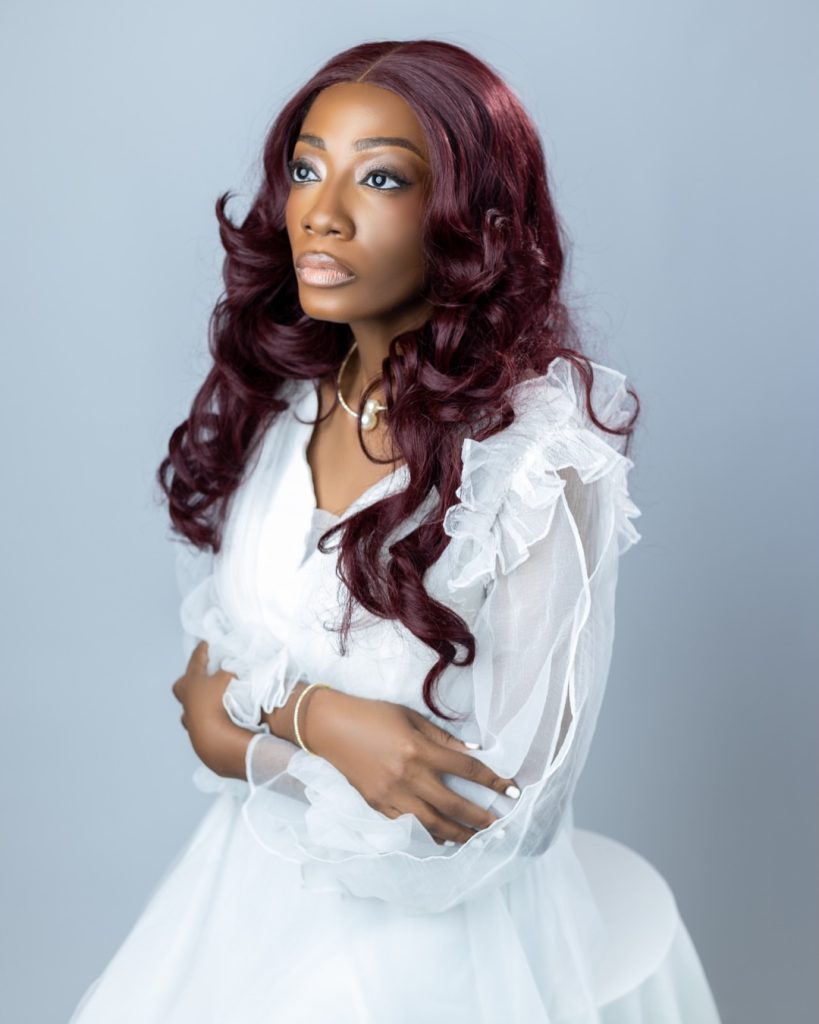
In Conversation With Stephanie Ugbeye
What drew you to the character of Zoe’s mum?
“I was drawn to this character because it is a mother’s story. There are several women out there living with this reality. As a filmmaker, it is important to tell such stories and how they can bring hope to people parenting children with sickle cell.
As an actor, I’m glad I was able to give Zoe’s mum a voice and an identity.”
What was your first emotional reaction when you read the script?
“I felt an instant connection to the script because I love authentic stories that reflect the reality of the world we live in.
I could also relate to the emotional state of the story because I have personally lost friends and loved ones to sickle cell.
Even though there are several movies and documentaries focused on awareness, it’s also important to give hope to people holding on to memories after losing loved ones. We need more films that shine light on hope.”
Were there moments on set that felt heavier or more real than expected?
“Working with the filmmaking team on the hospital set and in Zoe’s room created very heavy emotional moments because they projected the true impact of grief, loss, and pain.
There are phases of grief, and one of the hardest parts is reflecting on someone’s life after they are gone. It makes you feel stuck with nowhere to go.”
How did your conversations with the director shape your performance?
“It’s always amazing to work with a director who collaborates closely with actors to achieve an outstanding performance.
Director P, as I fondly call Prosper Light, was exactly that. His directions were actionable, clear, and collaborative.
Working with him made me feel less like an actor and more like a real wife and mother serving the story.
I truly felt connected to Zoe’s family, and those emotions came through in scenes where Zoe’s mum made her hair and in the scenes at the hospital, church, and home.”
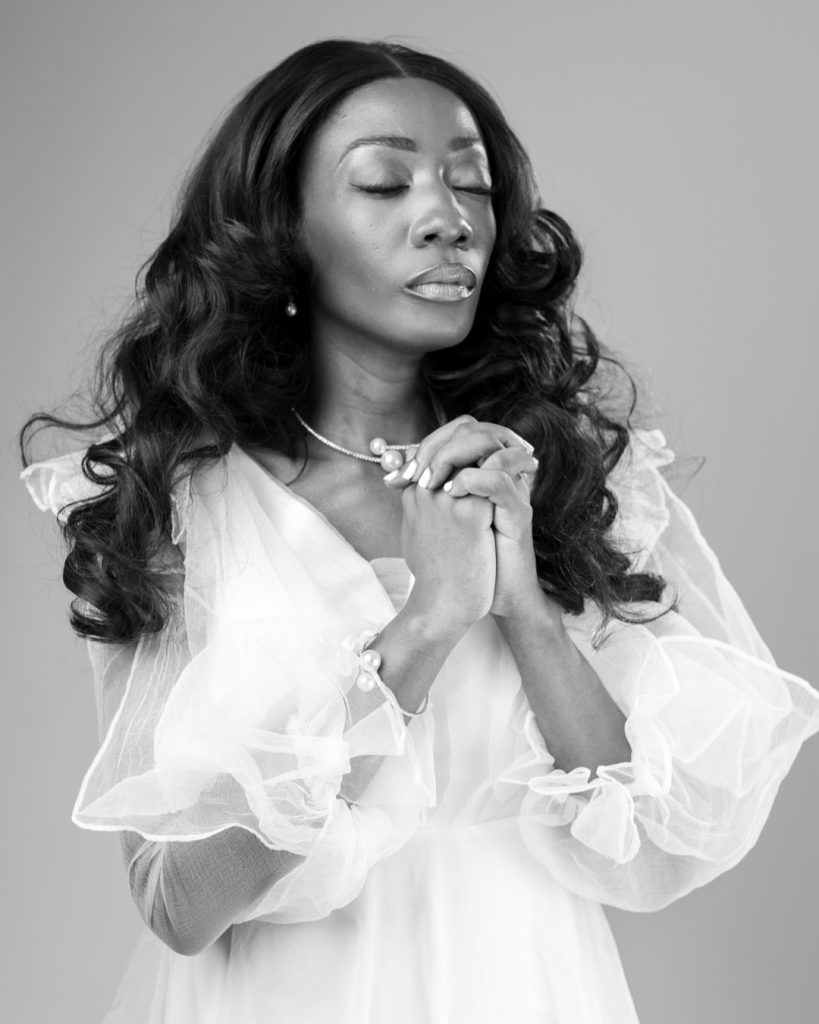
Were there scenes that stayed with you even after filming ended?
“The scene where Zoe’s death was announced to her parents definitely stayed with me.
That’s the sad reality of grief — it never completely fades away.
I lost a dear cousin to sickle cell in 2017 when she was only 27 years old. That loss constantly reminds me that many lives are cut short by this terrible disease.
In the end, what remains for parents and loved ones is hope.”
What do you hope audiences feel when they watch your performance?
“I hope audiences feel the honesty and emotional impact behind Zoe’s mum as a character and as a mother’s real story.
I also hope they understand that this film was created to bring light and hope to people carrying grief in their hearts, especially parents and couples.
It’s important for audiences to know that while grief is natural, they can still hold on to the beautiful memories of their loved ones.
Where there’s life, there’s hope.”
What does this story mean to you now?
“The film Zoe is beyond just a story. It’s life itself.
While conversations about genotype awareness are important, grief and loss are realities people experience every day.
We need more films like this that inspire hope and healing for people trying to move forward after painful experiences.
Kudos to the entire OGWA Studios team for creating a story that allows audiences to deeply connect with the emotional reality of the characters.”
What Stephanie Ugbeye achieves in Zoe is rare. She reminds audiences that some of the strongest people are not always the loudest in the room. Sometimes, strength is found in simply waking up each day and choosing to keep loving despite the pain.
And in Zoe, that quiet fight becomes impossible to forget.