


Regenerative Fashion Future Takes Centre Stage at London Climate Action Week
Regenerative Fashion Future is the driving vision behind a landmark manifesto that Lagos Fashion Week unveiled during London Climate Action Week. In partnership with The Earthshot Prize, the African Fashion Coalition developed The Blueprint for a Regenerative Fashion Future to position Africa as a global leader in sustainable, inclusive, and climate-responsive fashion.
As the global fashion industry faces increasing pressure to tackle climate change, textile waste, inequality, and unsustainable production systems, the manifesto offers a timely and practical response. Rather than relying on imported solutions, it draws from Africa’s rich heritage of craftsmanship, circularity, and community-led innovation. Consequently, it presents a framework that strengthens both environmental sustainability and economic resilience.
Moreover, the launch reinforces Lagos Fashion Week’s growing influence within the global sustainability movement. Following its recognition as a 2025 Earthshot Prize Winner in the Build a Waste-Free World category, the platform continues to champion African-led solutions that address some of the fashion industry’s most urgent challenges.
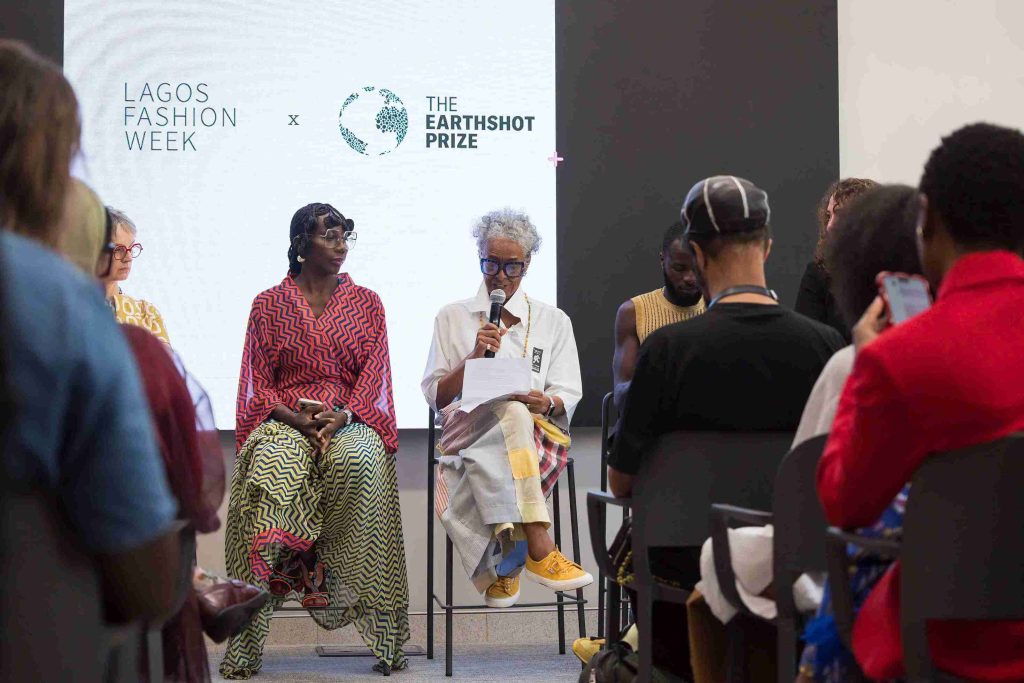
Africa’s Traditional Knowledge Offers Solutions for Fashion’s Future
The manifesto highlights principles that African communities have practised for generations. These include repair, reuse, stewardship, local production, resource efficiency, and intergenerational knowledge transfer.
Today, many industry leaders promote these practices as innovative solutions for sustainable fashion. However, African communities have long embedded them within their cultural and economic systems. Therefore, the manifesto challenges the notion that regenerative fashion is a new concept.
Instead, it demonstrates how African knowledge systems can guide the transition toward a more sustainable global fashion industry. Furthermore, it shows how local expertise, cultural heritage, and traditional craftsmanship can generate lasting environmental and social impact.
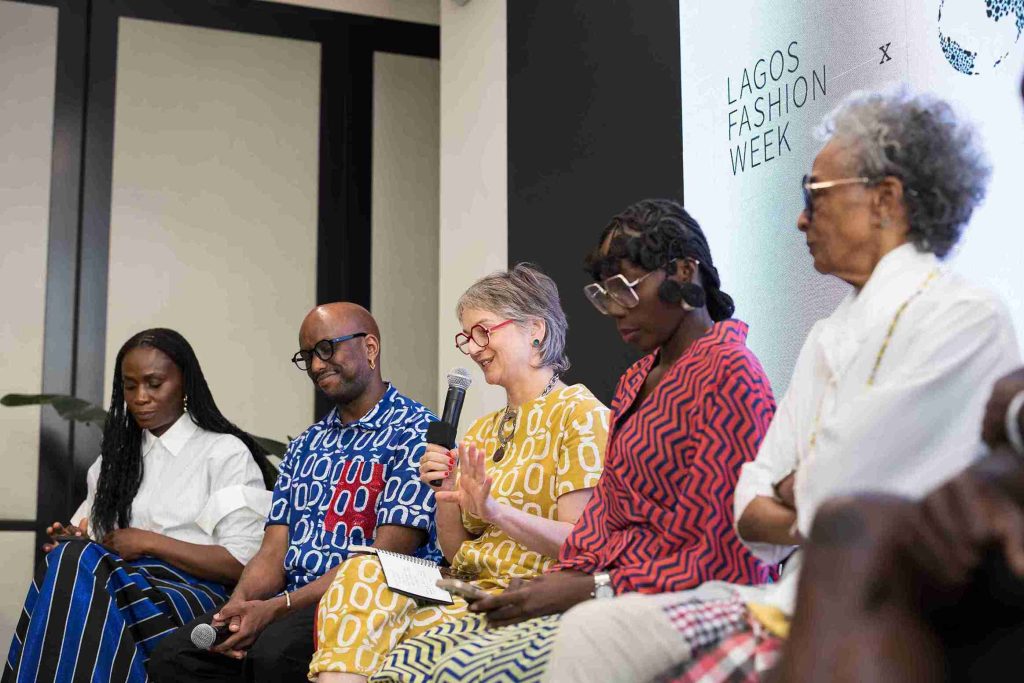
Closing the Value Gap in the Global Fashion Industry
At the heart of the manifesto lies a call for greater ownership, value creation, and economic participation across Africa’s fashion ecosystem.
For decades, Africa has supplied the materials, craftsmanship, labour, and creativity that help shape global fashion. Yet the continent retains only a small share of the value generated from those contributions. As a result, African producers, artisans, and businesses often struggle to benefit fully from the industries they help sustain.
According to the manifesto, Africa exports approximately US$15 billion worth of raw textiles each year. At the same time, it imports more than US$23 billion worth of finished clothing and footwear. Therefore, the coalition argues that the challenge is not a lack of talent, innovation, or expertise. Instead, the issue stems from limited ownership, inadequate infrastructure, and unequal participation within global value chains.
To address these challenges, the Blueprint advocates stronger intellectual property protections, increased investment in local manufacturing, expanded market access, and policies that support African-owned businesses. Ultimately, these measures can help African fashion entrepreneurs capture more value from their ideas, products, and cultural assets.


A Collective Vision Shaped by African Fashion Leaders
Lagos Fashion Week and The Earthshot Prize guided the development of the manifesto through consultations, workshops, stakeholder engagements, and collaborative convenings across the continent.
As a result, the Blueprint reflects the collective vision of the African Fashion Coalition, a network of fashion leaders, sustainability advocates, researchers, educators, artisans, and entrepreneurs committed to transforming the future of African fashion.
The coalition built on discussions from the Manifesto Lab held in April 2026. Subsequently, participants refined the document through ongoing collaboration and consultation. Together, they created a shared framework that promotes sustainability, economic empowerment, environmental responsibility, and industry growth.
Notably, contributors to the Manifesto Lab included Omoyemi Akerele, Founder and Executive Director of Lagos Fashion Week; Simone Smit, Director of Africa at The Earthshot Prize; Jackie May, Founder of Twyg; Adama Paris, Founder of Dakar Fashion Week; Mahlet Teklemariam, Founder of Hub of Africa Fashion Week; Liz Ricketts, Founder of The OR Foundation; Renee Neblett, Founder of Kokrobitey Institute; and Sunny Dolat, Researcher and Sustainable Curator at The Nest Collective.

The Ten Pillars Supporting a Regenerative Fashion Future
The manifesto centres on ten interconnected pillars that guide the transition toward more equitable, resilient, and sustainable fashion systems.
Specifically, these pillars focus on cultural heritage, circularity, inclusive prosperity, intellectual property protection, waste justice, local production, regenerative innovation, market access, infrastructure development, and conscious consumption.
Together, they create a practical roadmap for strengthening partnerships, attracting investment, supporting local industries, and generating long-term value. Furthermore, they encourage governments, businesses, and communities to work collectively toward a more climate-responsive fashion economy.
Omoyemi Akerele Calls for Greater Ownership Across African Fashion
Speaking at the launch, Omoyemi Akerele, Founder and Executive Director of Lagos Fashion Week, emphasised the need to shift from extraction to ownership.
“The Blueprint for a Regenerative Fashion Future reflects a shared vision grounded in African realities. For generations, Africa has supplied the materials, craftsmanship, and creativity that shape global fashion while capturing little of the value it helps create.”
“The resources are ours. The value is theirs. We are celebrated as a source of inspiration and yet often excluded from the industry we inspire. Therefore, this manifesto calls for the investment, infrastructure, and equitable systems needed to ensure that African ideas, materials, labour, and culture generate lasting value on the continent. Most importantly, it represents a commitment to collective action and to shaping what comes next.”
The Earthshot Prize Highlights Africa’s Climate Leadership
Simone Smit, Director of Africa at The Earthshot Prize, highlighted the continent’s growing influence in addressing environmental challenges.
“Africa is not just participating in the global environmental movement; it is helping to lead it. Earthshot solutions sit at the heart of that leadership.”
“Moreover, the role Lagos Fashion Week played in shaping this manifesto demonstrates that the most impactful solutions emerge when innovation combines with local knowledge and community expertise. As a result, the Blueprint provides a compelling vision for a more regenerative future.”
Fashion Industry Stakeholders Invited to Join the Movement
The African Fashion Coalition has opened The Blueprint for a Regenerative Fashion Future for endorsement.
Fashion brands, designers, investors, policymakers, educational institutions, sustainability advocates, and industry organisations can now read and sign the manifesto. In doing so, they can help transform its vision into meaningful action.
Ultimately, the coalition aims to move beyond conversation and drive measurable change. Through collaboration, investment, and shared responsibility, stakeholders can help build a fashion industry that is regenerative, inclusive, and economically sustainable.
About the Blueprint for a Regenerative Fashion Future
The Blueprint for a Regenerative Fashion Future is a collective declaration and call to action from the African Fashion Coalition, convened by Lagos Fashion Week. Grounded in African knowledge systems, craftsmanship, circularity, cultural heritage, and climate-responsive innovation, the manifesto outlines ten pillars that guide the transition toward regenerative, equitable, and resilient fashion systems across Africa and beyond.
The Ten Pillars
- Fashion as Cultural Heritage and Living Knowledge
- Circularity as Foundation, Not Trend
- Community-Led Creation and Inclusive Prosperity
- Cultural Sustainability and Intellectual Property Protection
- Waste Justice and Global Accountability
- Local Production and Economic Sovereignty
- Climate-Responsive and Regenerative Innovation
- Market Access and Platform Power
- Infrastructure and Systems Development
- Conscious Consumption and Behavioural Change


