


African leather industry took another major step toward global recognition as the Lagos Leather Fair (LLF2026) officially opened its landmark ninth edition to the public on Saturday, June 27. Bringing together international buyers, policymakers, technology innovators, investors, and hundreds of local artisans. This year’s fair focused on expanding export opportunities, embracing artificial intelligence, and strengthening Africa’s leather value chain.
From 10:00 a.m. to 8:00 p.m., the venue buzzed with innovation, networking, commerce, and creativity. The event reinforced that Africa’s leather sector has evolved beyond traditional craftsmanship. It is now a thriving industry with significant global growth potential.
Export Compliance Opens New Global Opportunities
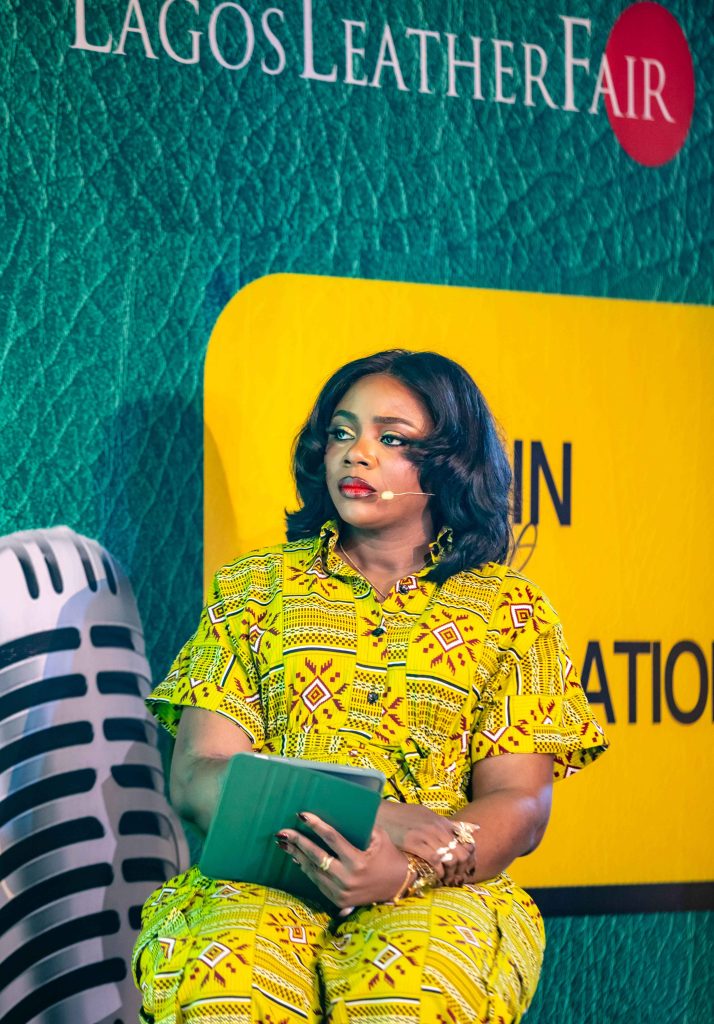
One of the day’s highlights was the panel discussion titled “Exportation & Compliance: Navigating the Legal Landscape of Exotic and Other Skins.” The session explored the legal and regulatory requirements that African leather businesses must meet to access international markets.
Legal experts, sustainability auditors, and trade compliance professionals examined global trade agreements, CITES regulations governing exotic skins, and ethical sourcing standards. Speakers stressed that meeting international environmental and legal requirements is essential. It helps Nigerian leather brands access premium retail markets across Europe, North America, and Asia.
Artificial Intelligence is Transforming African Leather Manufacturing
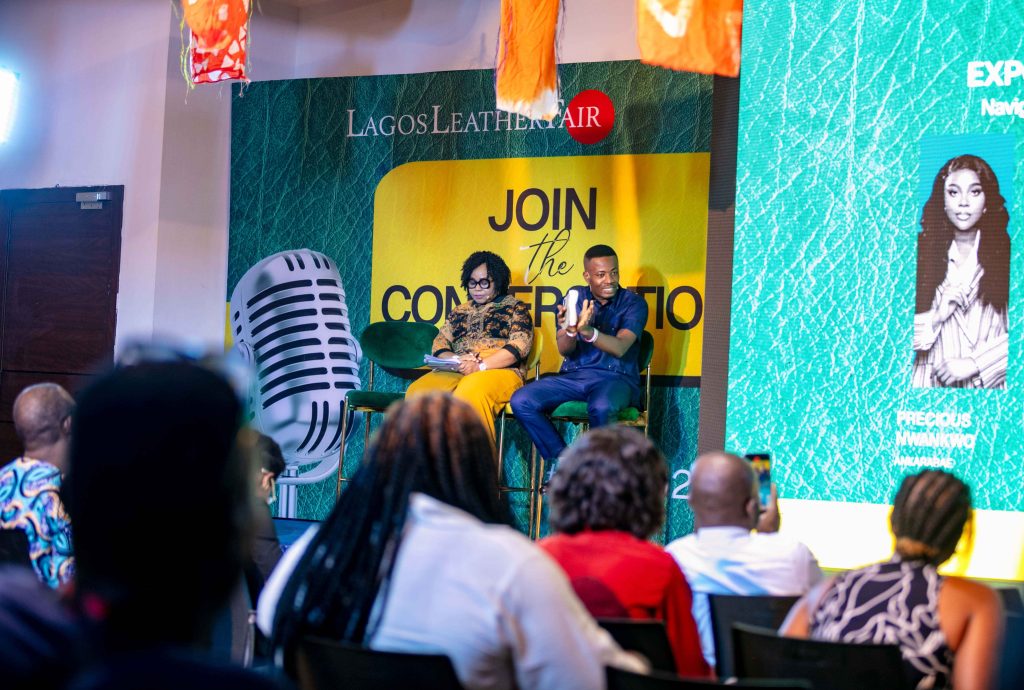
The conversation shifted toward innovation during the LLF2026 masterclass, “From Workshop to World Markets: Data, Artificial Intelligence & Export Economics – How to Drive Global Competitiveness for Nigerian Leather Brands.”
Industry experts demonstrated how data analytics and artificial intelligence can modernize traditional leather workshops. Participants explored how AI predicts consumer trends and streamlines production. They also learned it reduces waste, automates custom sizing, and strengthens digital marketing.
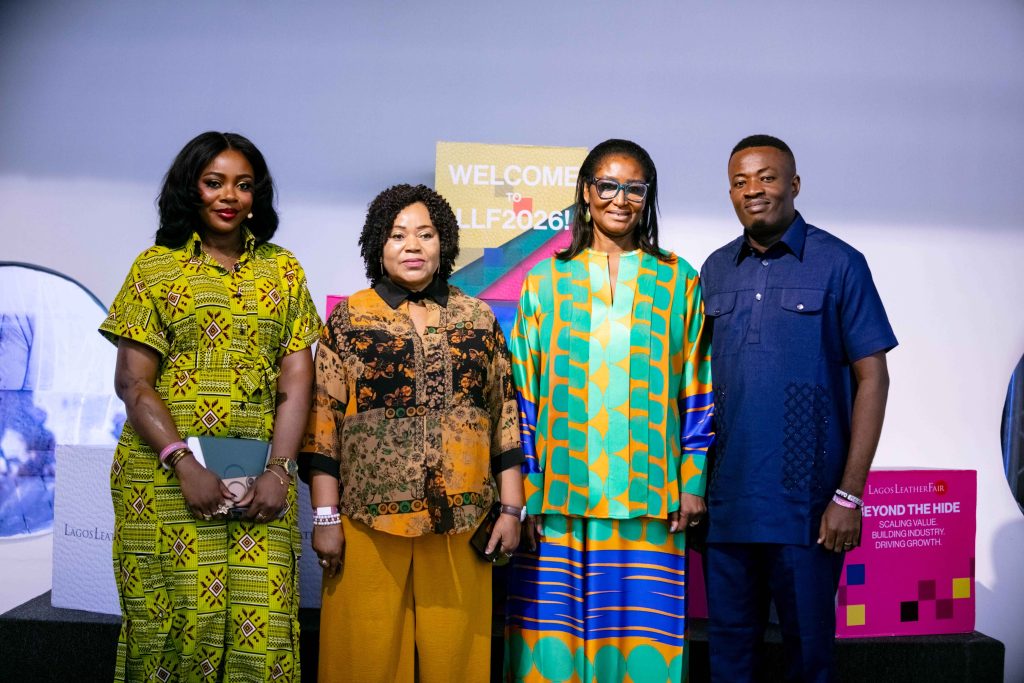
The session also showed how technology supports export readiness. As a result, African leather brands can compete globally while preserving their unique craftsmanship.
Hands-On Experiences Celebrate Craftsmanship and Innovation
Beyond industry discussions, LLF2026 featured interactive experiences. Visitors engaged directly with the people and processes behind premium leather products.
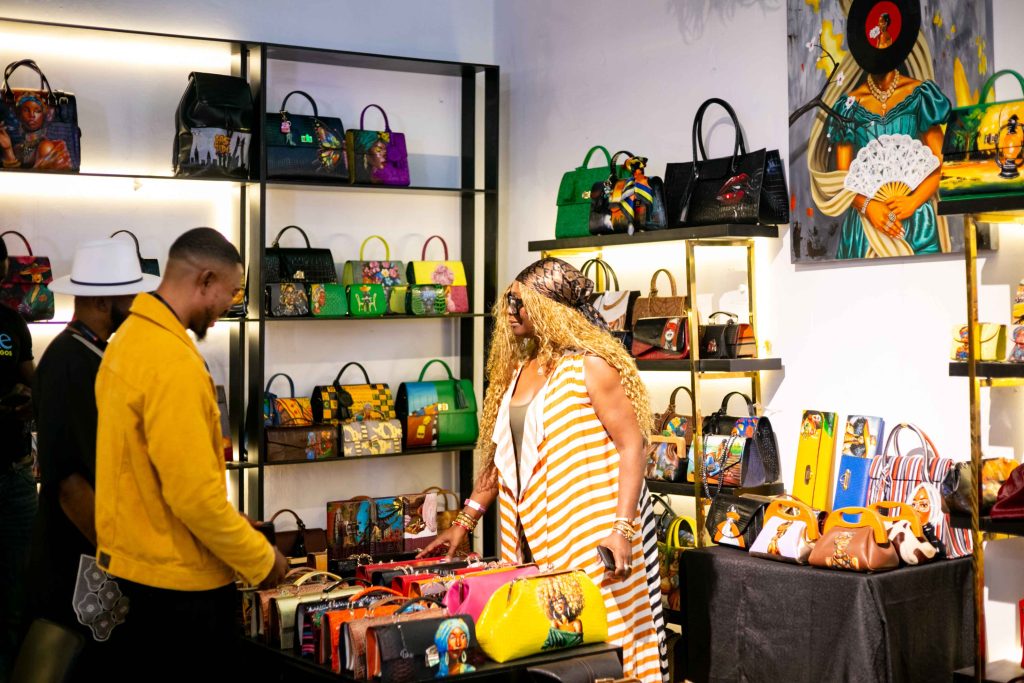
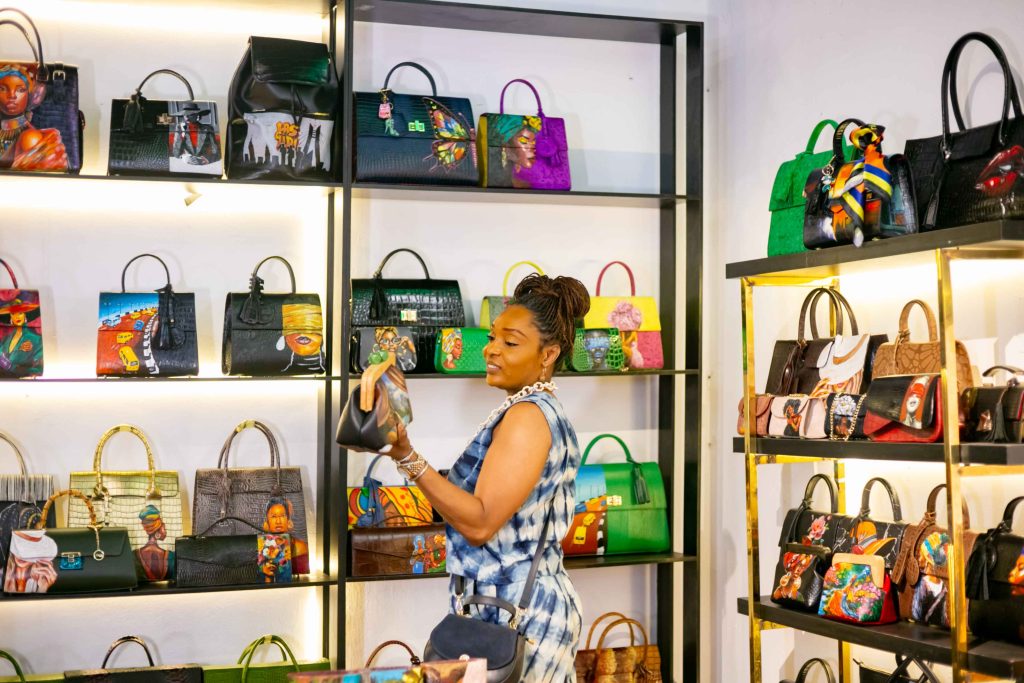
Exhibition and Shopping Hub
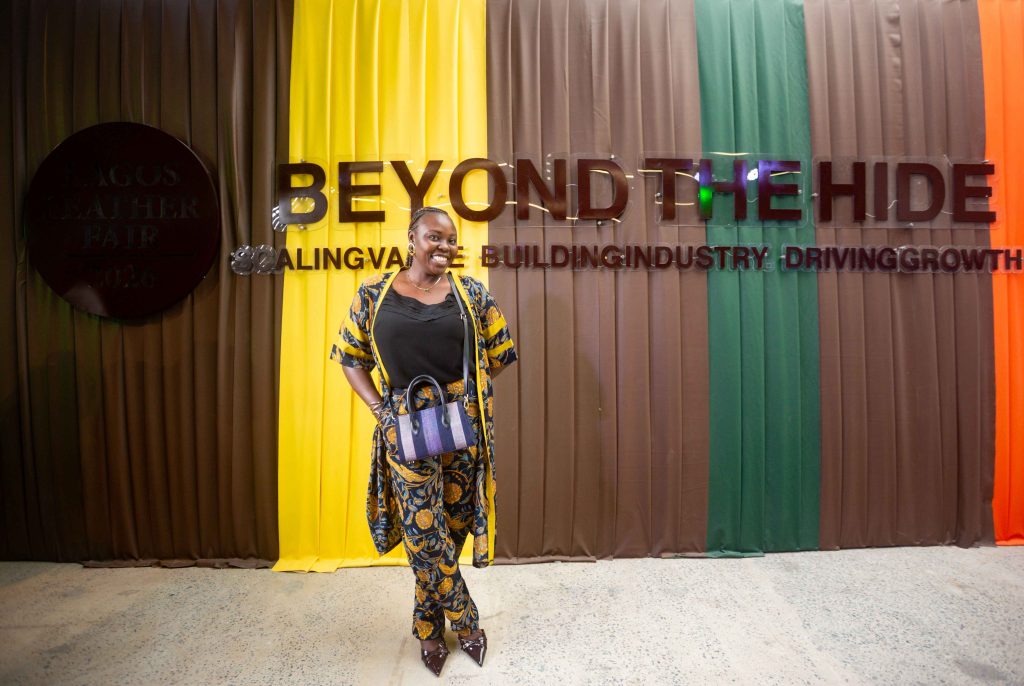
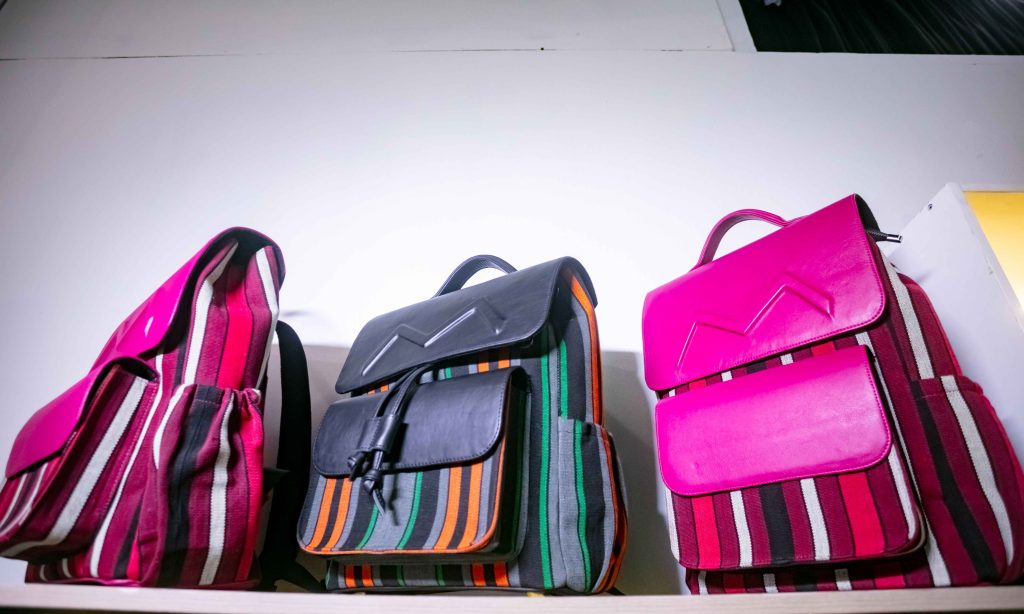
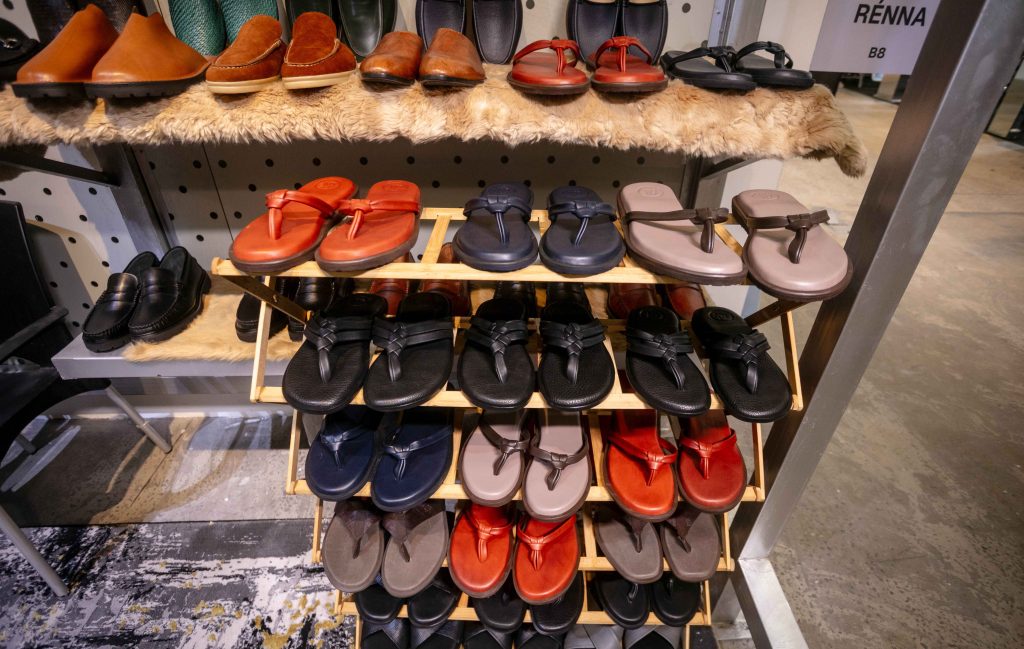
The exhibition floor served as a dynamic marketplace for local designers. They showcased collections, connected with wholesale buyers, generated sales, and reached international audiences.
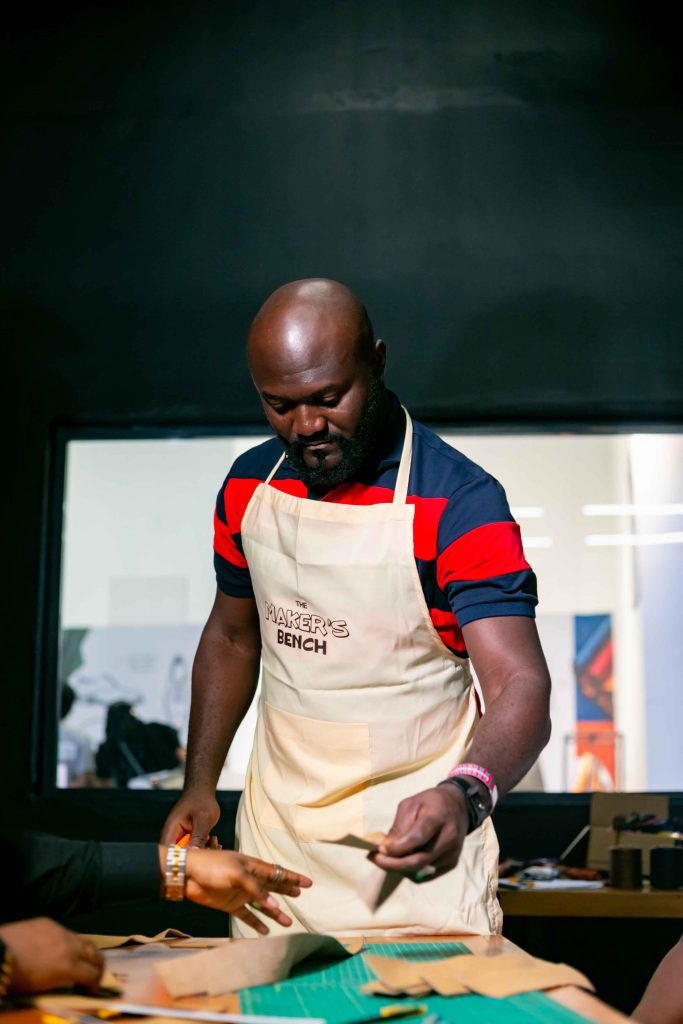
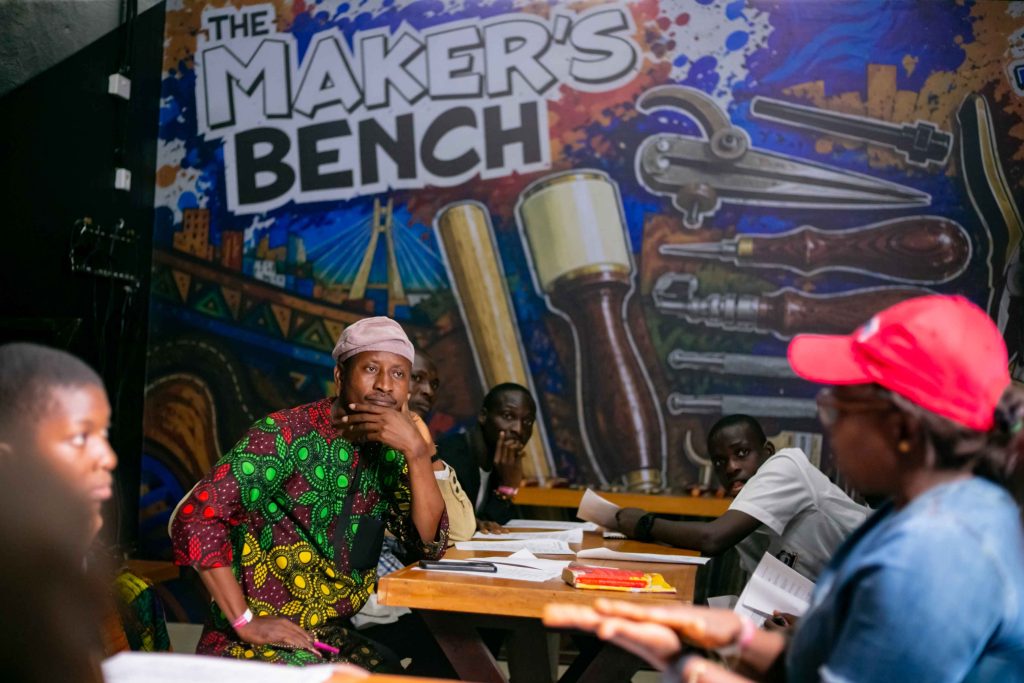
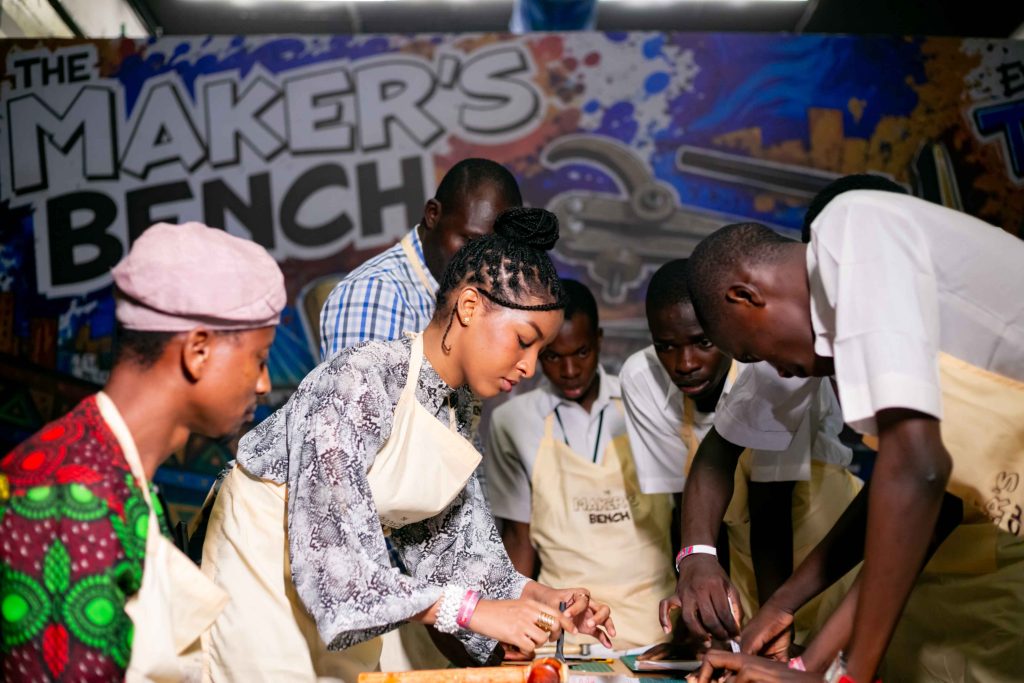
The Maker’s Bench and LLF Atelier
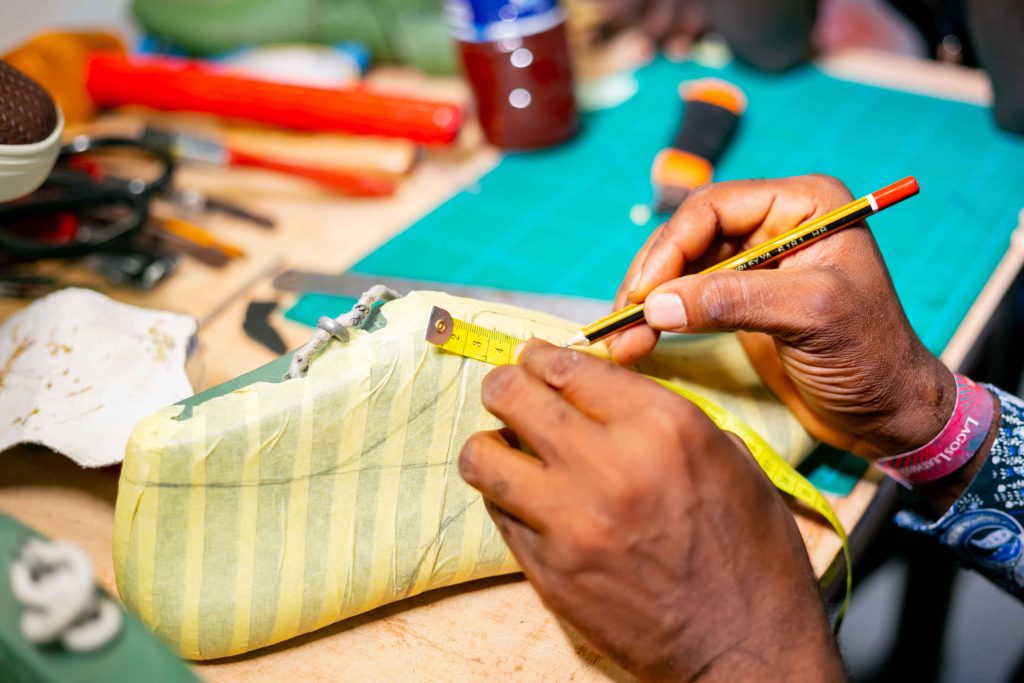
Visitors watched skilled artisans demonstrate leather cutting, stitching, finishing, and other production techniques in real time. These live demonstrations highlighted the expertise and precision involved in producing high-quality African leather goods.
LLF Signature Piece Challenge
Creativity met audience participation through the Open Box Voting initiative, where attendees selected the fair’s most outstanding design. The challenge provided emerging designers with valuable consumer feedback while celebrating innovation within the industry.
Runway Show Celebrates African Design Excellence
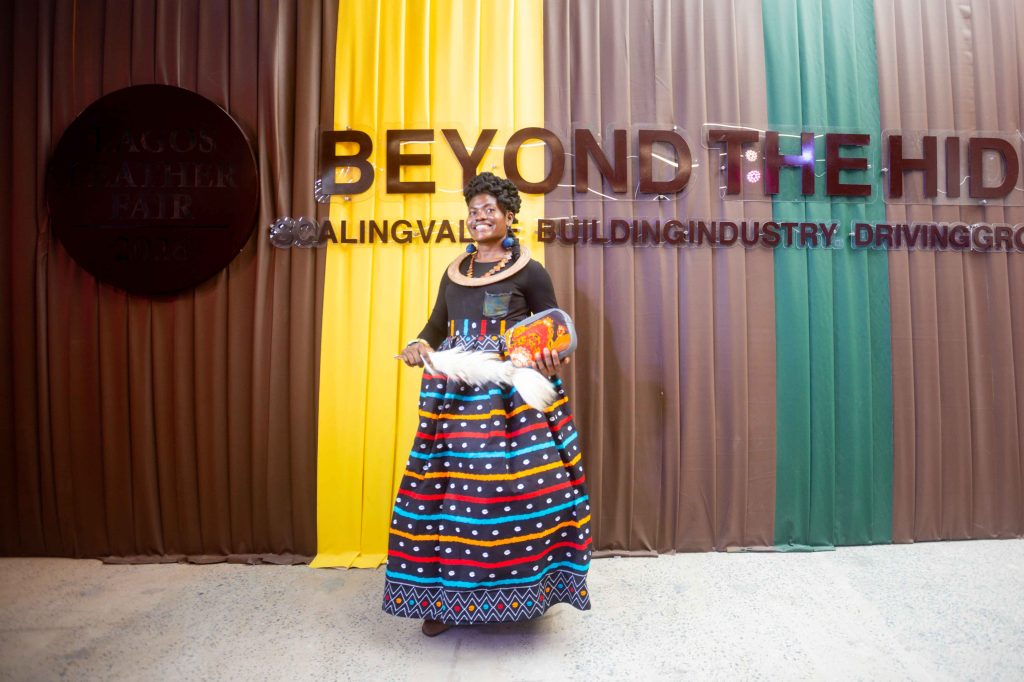
The event reached its grand finale with the iconic LLF Runway Shows, where designers presented avant-garde fashion collections, luxury handbags, bespoke footwear, and contemporary leather accessories.
Collections from exhibitors including Mhose, Chrisbeks, Sole Inspiration, Zamany Accessories, and FemiHandbags, the convener, showcased the seamless fusion of African heritage with modern global design. The runway received enthusiastic praise from guests and fashion industry professionals, bringing the day’s events to a memorable close.
About Lagos Leather Fair
Founded in 2017 by premium leather goods designer Femi Olayebi, Lagos Leather Fair (LLF) is Nigeria’s first platform dedicated exclusively to the leather industry.
The initiative was established to address long-standing challenges within the sector while unlocking the enormous potential of Nigeria’s leather ecosystem. At the time of its launch, industry projections indicated that the country’s leather sector had the capacity to generate significant economic value, yet limited awareness, fragmented supply chains, and insufficient collaboration continued to restrict growth.
Recognizing these challenges, LLF was created to unite designers, manufacturers, suppliers, policymakers, investors, and other key stakeholders on a single platform.
Today, the fair has grown into one of Africa’s leading leather industry events, promoting innovation, strengthening industry partnerships, encouraging investment, and positioning Nigerian and African leather brands for greater competitiveness in the global marketplace.


